
Rainbrand vs Typeface: a marketing AI platform or a brand layer for your agents?
Typeface makes and publishes campaigns from brand kits in its enterprise platform. Rainbrand maintains brand context across agents and products, selects guidance and assets for each task, and reviews the work against the brand.
TL;DR
Choose Rainbrand when your team or agency makes brand work through its own agents: it maintains the brand, gives each task the guidance and files it needs, and reviews the result. Typeface is stronger for campaign creation, publishing and performance learning in one enterprise platform. If your agents make the work, move the brand to Rainbrand, starting from the guideline documents and brand kit you already keep in Typeface.
Typeface changed shape this year
If you know Typeface as a generative AI content platform with a Brand Hub, it has changed. In March 2026 it announced its evolution into a “Marketing Orchestration Engine”, and on September 22 it launched the current version. Brand kits now live in Arc Graph. Its developer docs describe Typeface as “a platform where your team’s agents create content”; finished work leaves through a connector to the system that owns the channel. It has three parts:
- Arc Graph holds the brand. Its brand graph reads your brand book and writing samples, learns a voice per channel, and turns them into a brand kit that blocks banned terms as content is made. Arc Graph also holds audiences and approved assets.
- Arc Agents and Arc Fabric do the work: prebuilt agents for ads, email, web pages, images and video, and more than 30 connectors to tools such as Marketo, Braze and the ad platforms.
- Arc Loop brings campaign results back and writes what worked into the next brief.
Typeface checks work too: its Arc Graph guide says its Brand Agent gives “real-time feedback on how well your copy and images align with brand guidelines”.
For IT review, Typeface’s IT page lists SOC 2 Type II and ISO 27001, 27701 and 42001, with cloud-region or on-premises deployment.
Who makes the work
The two differ on who makes the work and where it ends up.
Typeface’s agents make it inside Typeface. Typeface MCP, its server for the Model Context Protocol (MCP), lets ChatGPT, Claude and other clients ask Typeface to generate content, which Typeface says “is created within your Typeface projects”. For a campaign that should be approved and published from Typeface, that’s the point.
Rainbrand gives your own agents the brand so they make the work themselves. You add a brand from whatever defines it, such as a website, brand guide, logos or images. An agent requests a Brief, the guidance and files for its task, makes the work with its own tools or the optional AI Gateway, then requests a Review against the brand.
| Typeface | Rainbrand | |
|---|---|---|
| Who makes the work | Typeface’s agents and models | Your agent, with its own tools or AI Gateway |
| What an outside agent gets | Tools to ask Typeface to make or check work | A Brief: the guidance and files for the task |
| Checking work | Copy and images; MCP can request checks | Review checks work against the brand |
| Where results go | Typeface projects, then connectors to channels | Wherever the agent puts them |
| Pricing | Not published; demos for enterprise customers | Published plans |
What Claude gets from each connection
Say your marketer asks Claude for a launch email and an Instagram image to go with it.
With Typeface connected, Claude uses Typeface’s MCP tools:
- It finds the marketer’s team, picks or creates a project and lists the brand kits, layouts and assets it can use.
- It hands the request to Typeface’s execute tool. In Typeface’s own walkthrough, Typeface asks for the objective, audience, layout and brand kit, then generates the email.
- It gets back a link to the document in Typeface. The same tool can answer questions from brand documents and evaluate content Claude passes in against a brand kit.
Typeface’s setup guide covers Claude, ChatGPT and VS Code.
With Rainbrand connected, Claude requests a Brief for both pieces, writes the email, makes the image, then requests a Review and fixes whatever fails.
Rainbrand’s ChatGPT setup page follows that route for Teenage Engineering, which makes synthesizers such as the OP-1 field and the OP–XY. ChatGPT wrote a newsletter section introducing the OP–XY from a Brief that said not to call it an upgrade to the OP-1 field and to check each feature on teenage.engineering. It then made a header image, turned it into a five-second video with a voiceover through the AI Gateway, and made an Instagram post.
The post passed all four Review checks first time but came out taller than Instagram’s portrait size, and the video kept the image’s 3:2 shape instead of the 9:16 requested. The brand checks don’t look at size, so check it yourself.
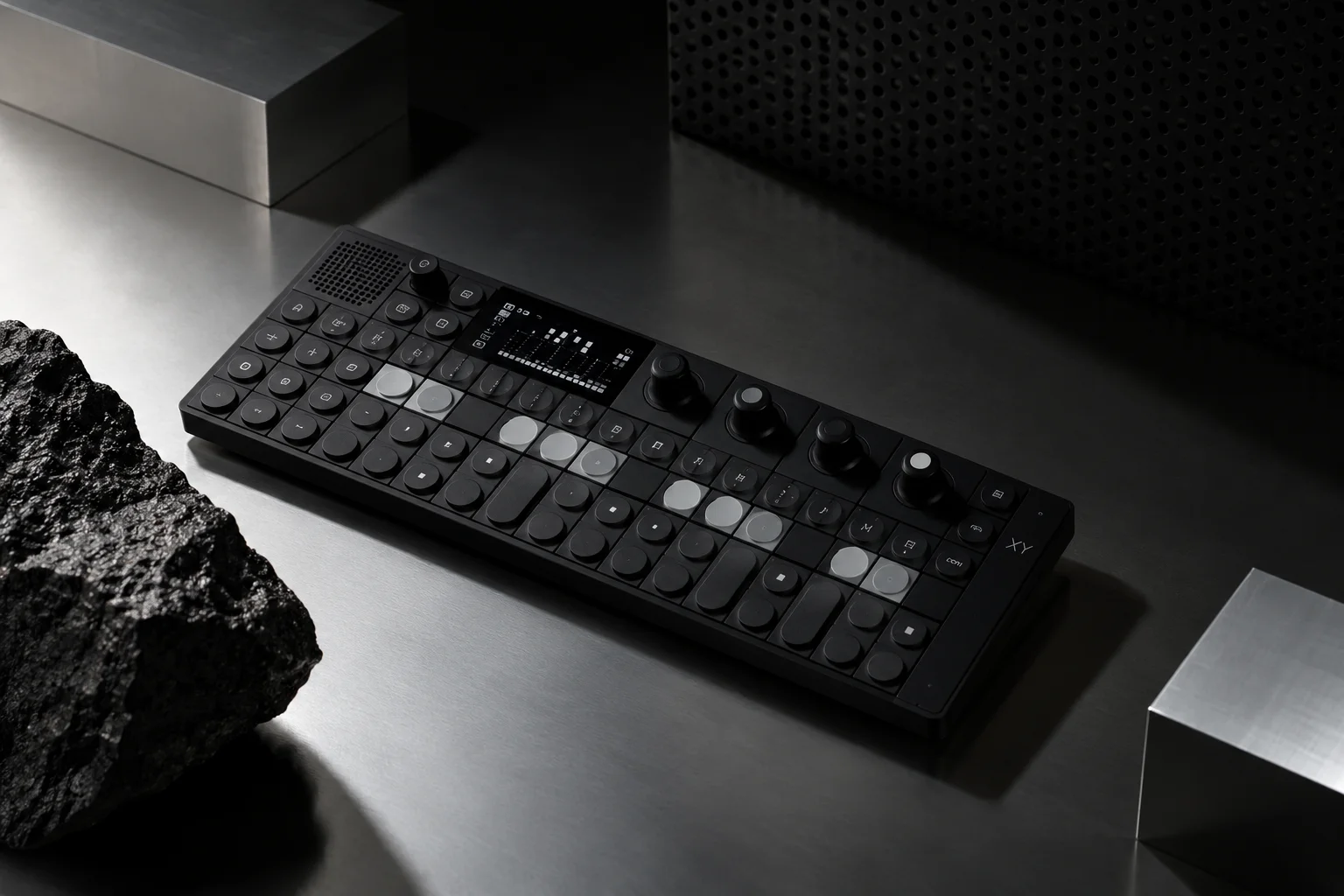
Header image
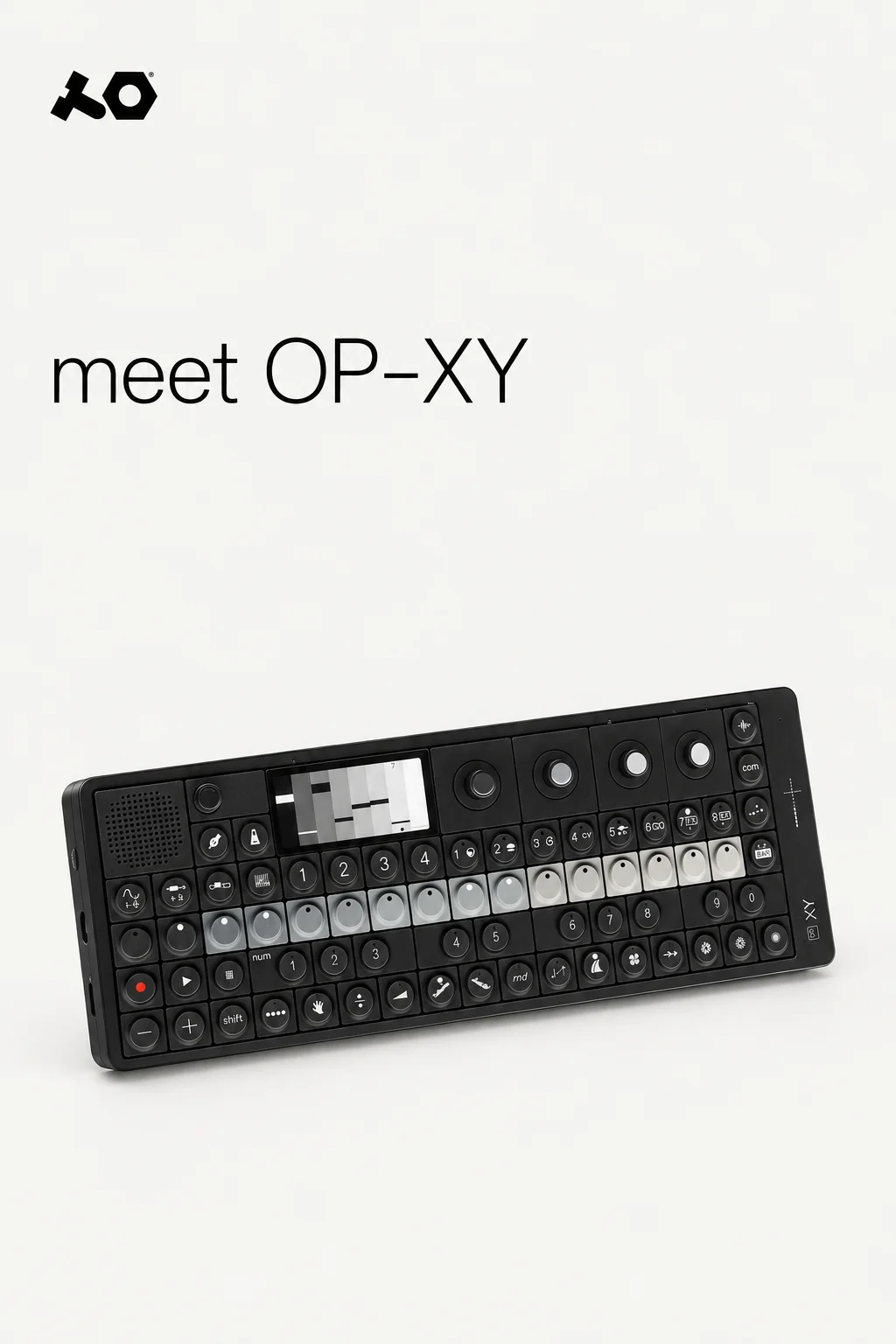
Instagram post: passed all four checks, but too tall for Instagram
So the question is where the output belongs. A campaign email approved in Typeface’s pipeline gets the brand as Typeface writes it; a page, deck or post your agent makes with its own tools needs the brand itself, which a Brief returns. How to give Claude Code and Cursor your brand covers the coding case.
To compare them on your own brand, run a small bakeoff with an agent connected to both:
Make the invitation email for our next event twice: once through Typeface, once with a Rainbrand Brief and Review. For each version, tell me where the finished email is saved, which guidance and assets were used, what breaks our brand rules, and what I’d still fix by hand. Then tell me which fits this work better.If you’re building a product
Typeface’s API connects your systems to a Typeface organisation. An admin creates an application with client credentials, and the API reference covers brand kits, audiences, assets and content generation; the MCP tools can be called directly too. Teams keep business units or clients separate within one organisation. If you want Typeface’s agents to make and govern content inside your workflow, this is the route.
Rainbrand’s API is for products that make the work with their own models or the AI Gateway. Your code requests a Brief before it generates and a Review afterwards, with a pass, fail, uncertain or not-applicable verdict per check to act on before anything reaches the customer. How to manage your customers’ brands in an AI product covers the design questions.
Moving your brand from Typeface to Rainbrand
- Ask an agent connected to Typeface’s MCP server to list your brand kits and write the kit’s rules out as one document.
- Add the brand to Rainbrand from that document, the guideline documents you originally uploaded, your logo and font files and your website, then check what it builds.
- If campaigns still need to be made and published in Typeface, keep it for that. Nothing syncs, so a change to a Typeface brand kit needs a matching brand edit, as How to update brand guidelines across all your AI tools describes.
Sign up, connect your agents and run the bakeoff above with the person who would normally make the invitation.
More in Comparisons
All 11 Comparisons articles5 min read
Rainbrand vs Adobe GenStudio, Firefly and AEM: which keeps AI content on brand?
Adobe splits this job across GenStudio’s brand checks, custom Firefly models and brand rules in AEM, which outside agents can reach over MCP with the right licence. Rainbrand gives any agent or product a maintained brand to call. Here’s which fits, and how to move agent work from Adobe to Rainbrand.
5 min read
Rainbrand vs Canto: what can your AI agents get from each?
Canto is a DAM that stores, organises and distributes approved files, with its own AI inside the library and an MCP server for product data. Rainbrand maintains a brand that agents call for each task; here is what each gives an agent today, where each fits and how to move agent work from Canto.
6 min read
Rainbrand vs Canva Brand Kit: is a Brand Kit enough for your AI tools?
Canva’s Brand Kit keeps your logos, colours, fonts and voice inside Canva, and its AI Connector brings them to designs made from ChatGPT or Claude. Rainbrand gives your agents and products a brand they can call for the task in front of them, wherever the work is made. How they differ, and how to move the brand your agents use from Canva to Rainbrand.