
Rainbrand vs Canva Brand Kit: is a Brand Kit enough for your AI tools?
Canva’s Brand Kit keeps your logos, colours, fonts and voice inside Canva, and its AI Connector brings them to designs made from ChatGPT or Claude. Rainbrand gives your agents and products a brand they can call for the task in front of them, wherever the work is made. How they differ, and how to move the brand your agents use from Canva to Rainbrand.
TL;DR
Choose Rainbrand for the brand your agents use across campaigns, pages, emails and decks: it maintains the brand, gives each task the guidance and files it needs, and reviews the result. Canva Brand Kit styles editable Canva designs, including ones made from a chat, but keeps kit data inside Canva. Move your agents’ brand to Rainbrand from the files behind your kit, and keep Canva for designs people finish there.
Is the Brand Kit enough?
Both products connect assistants such as ChatGPT and Claude through the Model Context Protocol (MCP), the open standard assistants use to call outside tools. Canva gives the assistant its editor with your kit applied; Rainbrand gives it the brand as guidance and files for any tool.
What the Brand Kit covers
A Brand Kit holds a team’s logos, colours, fonts, photos, graphics, icons and written guidelines inside Canva. Brand Kit Builder can set one up from your website or a guidelines PDF, and a short brand voice guides Canva’s writing tool. Brand Controls can limit a team to the kit’s colours and fonts. Brand Scan, rolling out to Enterprise plans in the US, UK, Australia and Canada, checks published Facebook, Instagram and LinkedIn posts against a kit, including posts made outside Canva. Each scan is a one-time check.
What ChatGPT and Claude get from Canva
Canva’s AI Connector lets ChatGPT, Claude, Gemini and Microsoft Copilot generate and edit designs in a Canva account, start from Brand Templates, fill them with data, resize and export. Canva’s own guide puts it simply: “Your agent gets the brief. Canva gets the brand.”
- Connector brand tools need Pro. The connector works on Free, but the developer docs list Brand Kit, Brand Template and autofill access as Pro and above. Generating designs can use Canva AI credits, and a team admin can switch the connector off.
- The agent gets a reference, not the brand. The list-brand-kits tool returns each kit’s name, ID and thumbnail. No documented tool returns a kit’s colours, fonts, logo files or voice as data, as of October 2026.
- That boundary is deliberate. Canva’s usage policy says Brand Kits retrieved through its MCP server “may only be used to generate or modify Canva designs” and “must not be exported for non-Canva design generation workflows.”
What the same agents get from Rainbrand
You add a brand from whatever defines it, such as a website, brand guide, logos and fonts. Then, for each task:
- The agent describes what it’s making and requests a Brief: the guidance and files selected for that task.
- It makes the work with its own tools, which can include Canva.
- It requests a Review, which checks colour, typography, logo and copy against the brand.
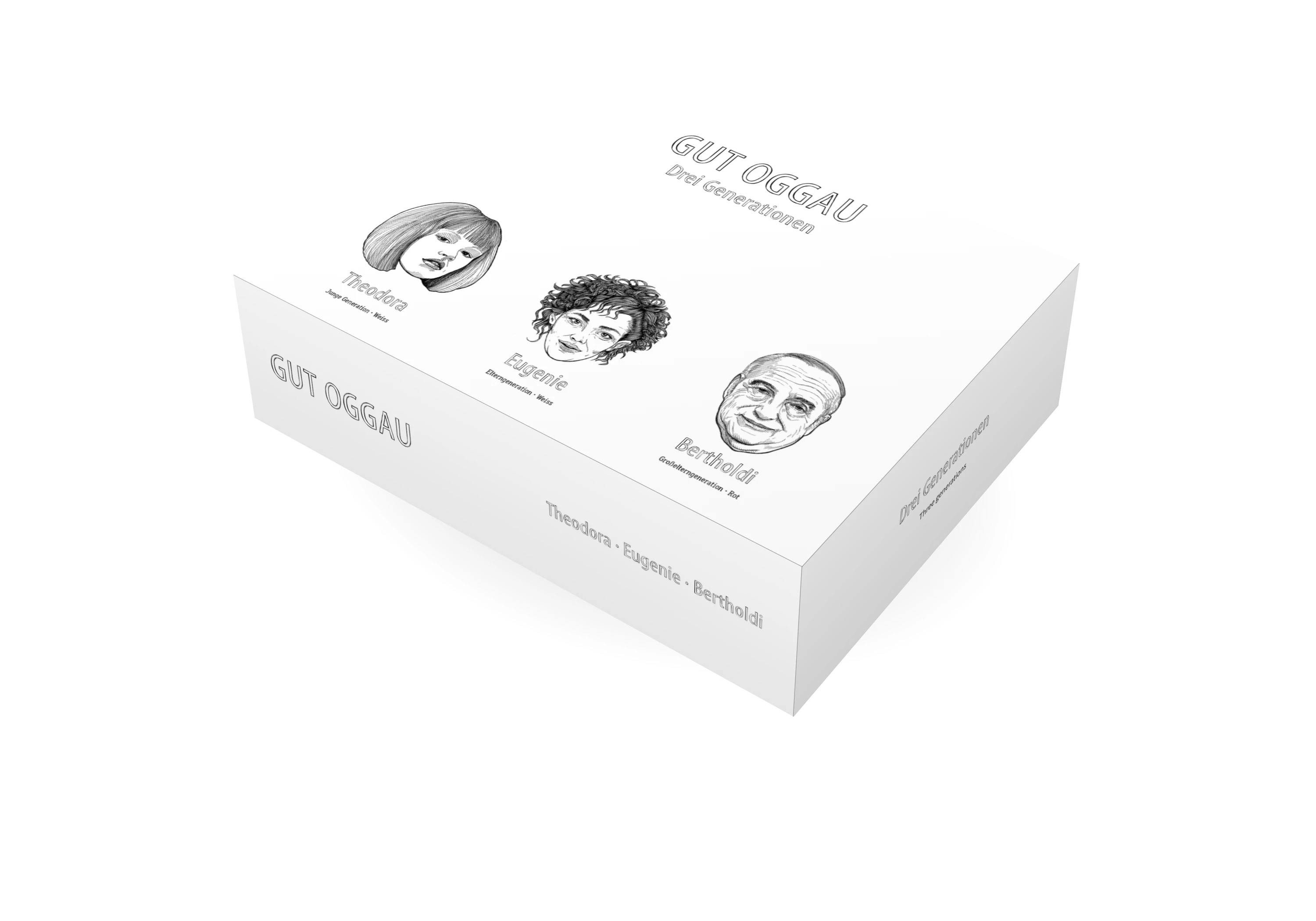
Where Canva’s kit tool returns a name and a thumbnail, a Brief returns the files. Gut Oggau, a family winery in Burgenland, Austria, puts a hand-drawn face on each wine’s label. When Claude designed a three-bottle gift box for it, the Brief returned a named label photo for each of its eleven wines, with a rule to keep every face with its own wine and never redraw or swap one. Three of them:
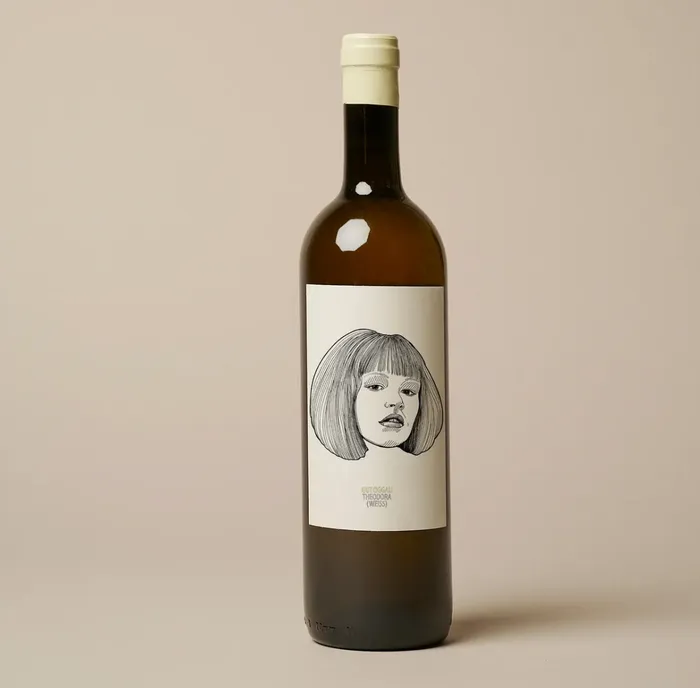
Theodora
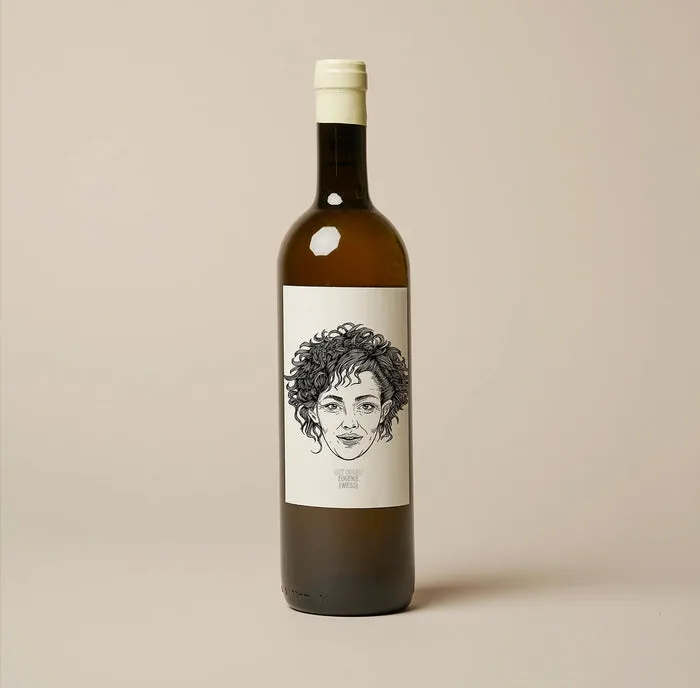
Eugenie
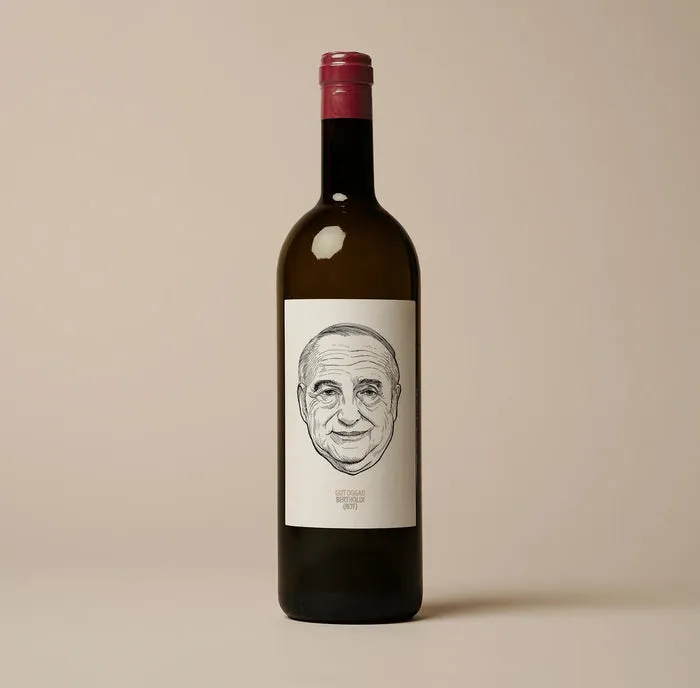
Bertholdi
The box Claude designed puts each of those faces above its own wine’s name:
| Canva Brand Kit | Rainbrand | |
|---|---|---|
| Where it applies | Canva designs, including ones made from a chat | Any tool the agent uses, Canva included |
| What an agent gets | A design made in Canva, styled with the kit | A Brief: the guidance and files for the task |
| Checking work | Colour and font limits, approvals, Brand Scan | Review checks work against the brand |
| Pricing | Free: 1 kit, 3 colours. Pro: $144 a year for one person, 5 kits. Business: $250 a year per person, 100 kits and approvals. Enterprise: sales | Published plans |
One launch, both ways
Say your team designs in Canva, with a Brand Template for Instagram posts. For a launch, the marketer asks Claude for a post, an email and a product image, while a developer builds the landing page in Cursor.
| Piece | With Canva connected | With Rainbrand connected |
|---|---|---|
| Instagram post | An editable design from your kit and template: the best fit | A Brief, then a Review of the exported post |
| Launch email | Only what’s in the chat; no tool returns the kit’s voice | A Brief with your voice rules and product guidance |
| Product image | A separate image model, with no brand context from the connector | A Brief with colours, logo file and references, then a Review |
| Landing page, Cursor | Hex codes and fonts pasted in by hand | Exact values and font files from the same brand |
Canva applies the brand where it renders the design; Rainbrand gives it to whatever the agent uses next, in the form each output needs. To see it on your own brand, run a small bakeoff in Claude or ChatGPT connected to both:
Make a 1080 × 1350 Instagram post for our next sale twice: once using only Canva, once with a Rainbrand Brief and Review. For each version, list the colours, fonts, logo, voice rules and images you used and where each came from, what you couldn’t get, what went wrong and what I’d still fix by hand. Then tell me which fits this work better.Building it into your product
Canva’s Connect API creates designs from Brand Templates, fills them with data and exports them, acting for a Canva user whose plan includes those features. It documents no endpoint for reading a Brand Kit’s colours, fonts or logos as of October 2026; apps inside the editor can read the current kit’s colours for the design open in it. If your customers design in Canva, send the work to Canva.
Rainbrand’s API adds and maintains your customers’ brands wherever the work gets made. A Brand Skill, the complete brand as data, gives any renderer a customer’s palette, font files and logo files, and a Brief returns the part one task needs. How to manage your customers’ brands in an AI product covers the design questions.
Moving your brand from Canva to Rainbrand
- Gather the material behind your Brand Kit: your website, the guidelines PDF, and your original logo and font files. Use your own copies, since the connector doesn’t return kit data.
- Add the brand to Rainbrand from those, and connect your agents.
- Keep Canva for designs people finish there. With both connected, Claude can request a Brief, create the post from your Brand Template, then export a PNG and request a Review before the marketer finishes it.
- Keep the two in step. Rainbrand doesn’t sync with Canva, so a brand change means updating the Brand Kit and templates and making a matching brand edit. How to update brand guidelines across all your AI tools covers that routine.
Sign up, connect your agent and give it your brand’s files or website. Once the brand is ready, run the bakeoff above on your next sale post.
More in Comparisons
All 11 Comparisons articles5 min read
Rainbrand vs Adobe GenStudio, Firefly and AEM: which keeps AI content on brand?
Adobe splits this job across GenStudio’s brand checks, custom Firefly models and brand rules in AEM, which outside agents can reach over MCP with the right licence. Rainbrand gives any agent or product a maintained brand to call. Here’s which fits, and how to move agent work from Adobe to Rainbrand.
5 min read
Rainbrand vs Canto: what can your AI agents get from each?
Canto is a DAM that stores, organises and distributes approved files, with its own AI inside the library and an MCP server for product data. Rainbrand maintains a brand that agents call for each task; here is what each gives an agent today, where each fits and how to move agent work from Canto.
6 min read
Rainbrand vs Jasper: which keeps your brand voice consistent across AI agents?
Jasper’s Brand Voice, Style Guide and Knowledge shape what Jasper writes for marketing teams, and reach Claude and ChatGPT through its MCP server on Business plans. Rainbrand gives the agents you already use your voice, visual identity and approved files for each task, from one maintained brand.