What is brand compliance, and how do you check AI-made work?
Check AI-made work against your brand’s rules. Write rules reviewers can apply, divide automated checks from human judgment, and track what keeps failing.
TL;DR
Check finished work against clear brand rules. Automate measurable checks, inspect uncertain results and use the review your publishing process requires. Keep a finding per rule, not just an overall score, so repeated failures lead to better guidance, a repaired handoff or a corrected output.
What brand compliance covers
Brand compliance checks whether work follows today’s rules. Consistency is the result people see; governance decides who sets rules and may change or approve them.
| Area | Check |
|---|---|
| Visual identity | Logo, colours, type, imagery and layout |
| Voice/terms | Tone, names, capitalisation and avoided words |
| Facts/claims | Evidence for numbers, comparisons and promises |
| Required lines | Disclaimers, notices and pricing detail |
| Accessibility | Contrast, legible text and alt text |
| Channel | Dimensions, safe areas, formats and limits |
Route legal questions to the person authorised to decide them; a brand finding does not settle whether a claim is lawful.
What changes when AI makes the work
Agents can repeat one error across many variants, use incomplete or stale context, or select the wrong brand. OpenAI documents limits in text, brand-element consistency and composition.
When a rule fails repeatedly, compare the rule, delivered context and output:
- Unclear guidance needs rewriting.
- Missing guidance needs a repaired handoff.
- Ignored clear guidance needs a production correction.
For claims, FTC guidance requires evidence before an ad runs and says agencies must check it. Send an unapproved claim to its owner rather than accepting the model’s wording as proof.
Who owns brand compliance
Separate three responsibilities, even if one person covers several:
- Rule owners: maintain their part of the brand and resolve gaps.
- Checkers: run checks and maintain the automated workflow.
- Approvers: make publication decisions where your process requires them.
Match sign-off to the work, claims and consequences. Agencies follow the client’s agreed process.
Write rules you can check
| Type | What passes | Method |
|---|---|---|
| Measured | Required values, font/weight, size, clear space, contrast | Inspect editable source or measurable evidence |
| Matched | Exact names, headline, legal lines and preferred terms | Compare text; read it from images first |
| Judged | Voice, imagery and composition match approved examples | Person, or a model checked against people |
| Approved | Required policy decision has been made | Named decision-maker |
State scope and allowed exceptions so a strict check does not reject work the rule permits. Keep examples beside judgment rules.
An editable file makes exact checks easier. Flattened images can leave font, colour or measurement findings uncertain. Image checking and voice guidance cover the specific rules.
Check in layers
- Supply current rules and assets. Give each task usable values/files rather than adjectives.
- Run measured and matched checks. Use code for exact comparisons and models where visual reading is needed.
- Send judgment and uncertainty to a person. Do not quietly count uncertain as pass.
- Match further review to risk. Follow required sign-off; sampling can suit high-volume, low-risk work once checks have a record you trust.
Anthropic’s evaluation guide recommends validating model graders before scaling them. Compare brand-check verdicts with people on real work first.
| Example work | Automated checks | Human review |
|---|---|---|
| Social variants | Identity and exact copy | Samples and every flag |
| Paid ads | Identity and required lines | Claims and fit on every ad |
| Product copy | Names, avoided words, legal lines | Claims and voice |
| Internal decks | Template and logo | Spot checks |
Pre-publication review covers the wider process; the software comparison covers tool selection.
Where Rainbrand Review fits
Rainbrand lets your agents request Reviews against the brand. Each check returns pass, fail, uncertain or not applicable, with a reason and evidence where available.
The agent revises confirmed failures using its own tools and requests another Review within your round/stop limits. Keep original references alongside the findings.
A Brief supplies current guidance/assets before production; products can request Reviews through the API. If the brand changes mid-task, decide whether the output needs updating and retrieve a fresh Brief before revision.
Use Rainbrand to review each image in [your campaign] against [your brand]: colour, typography, logo and copy. Use the exact headline and required text I supply. Revise any failure with your image tools and review it again, up to two rounds. Don’t count uncertain results as passes; list them for me to decide. Summarise what changed and what remains unresolved for each image.Measure whether it’s working
Keep a row per check:
| Measure | Count | Investigate |
|---|---|---|
| First-pass rate | Pieces passing every check on their first review | Missing guidance or references, or unreliable production |
| Failures by rule | Failed checks grouped by rule | The recurring cause |
| Uncertain rate | Share of returned checks marked uncertain | Evidence or criteria needing clarification |
| Escapes | Problems found after publication | What review missed |
| Revision rounds/waits | Revisions per piece and time awaiting a person | Rework and review capacity |
Count operation failures separately from returned verdicts.
Gut Oggau, a winery whose labels give each wine a face, shows why the individual findings matter. Claude made a film introducing its wine family. The end card first omitted the requested wine names. After the names were added, the copy check passed.
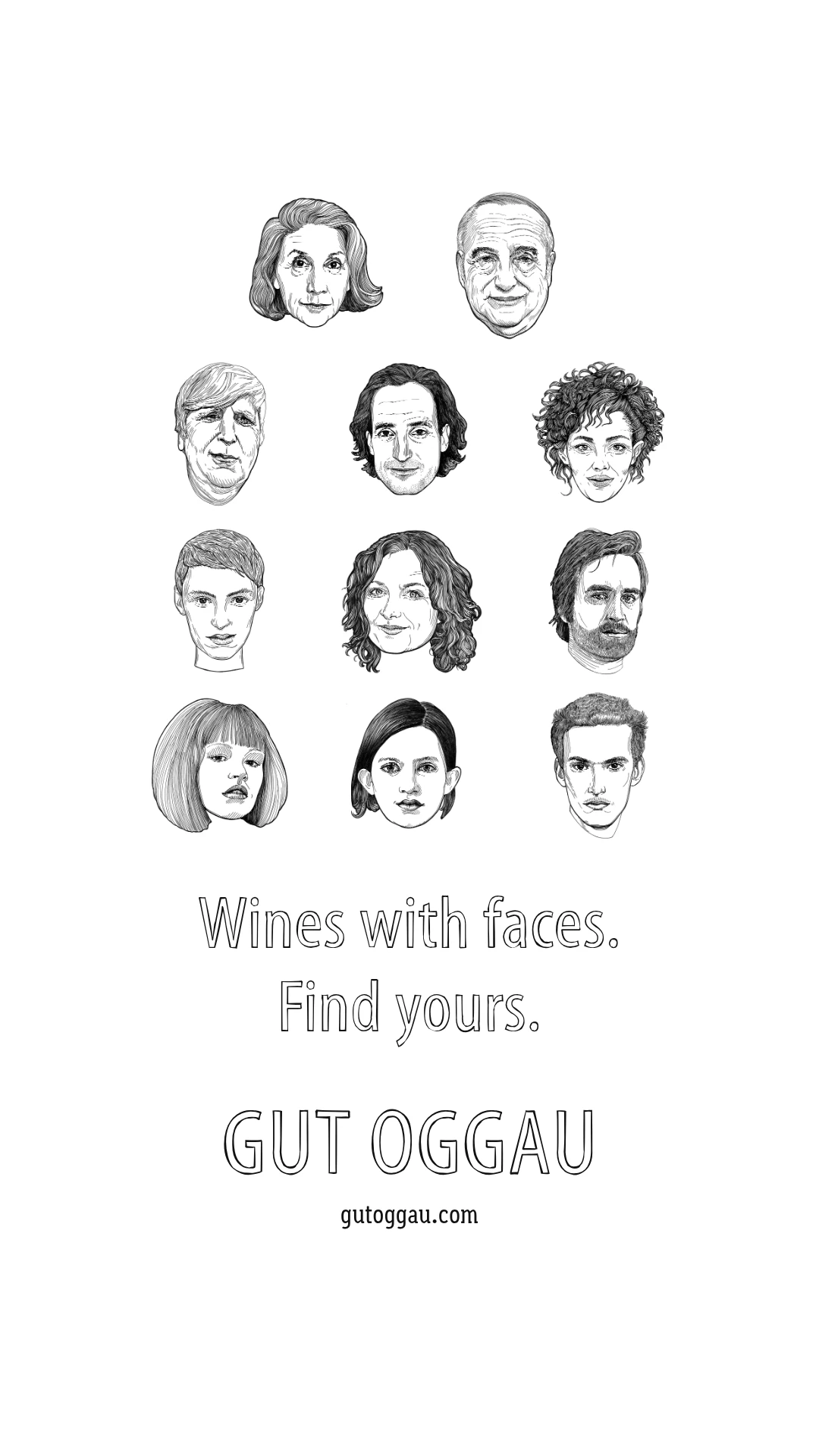
Before: the requested wine names are missing.
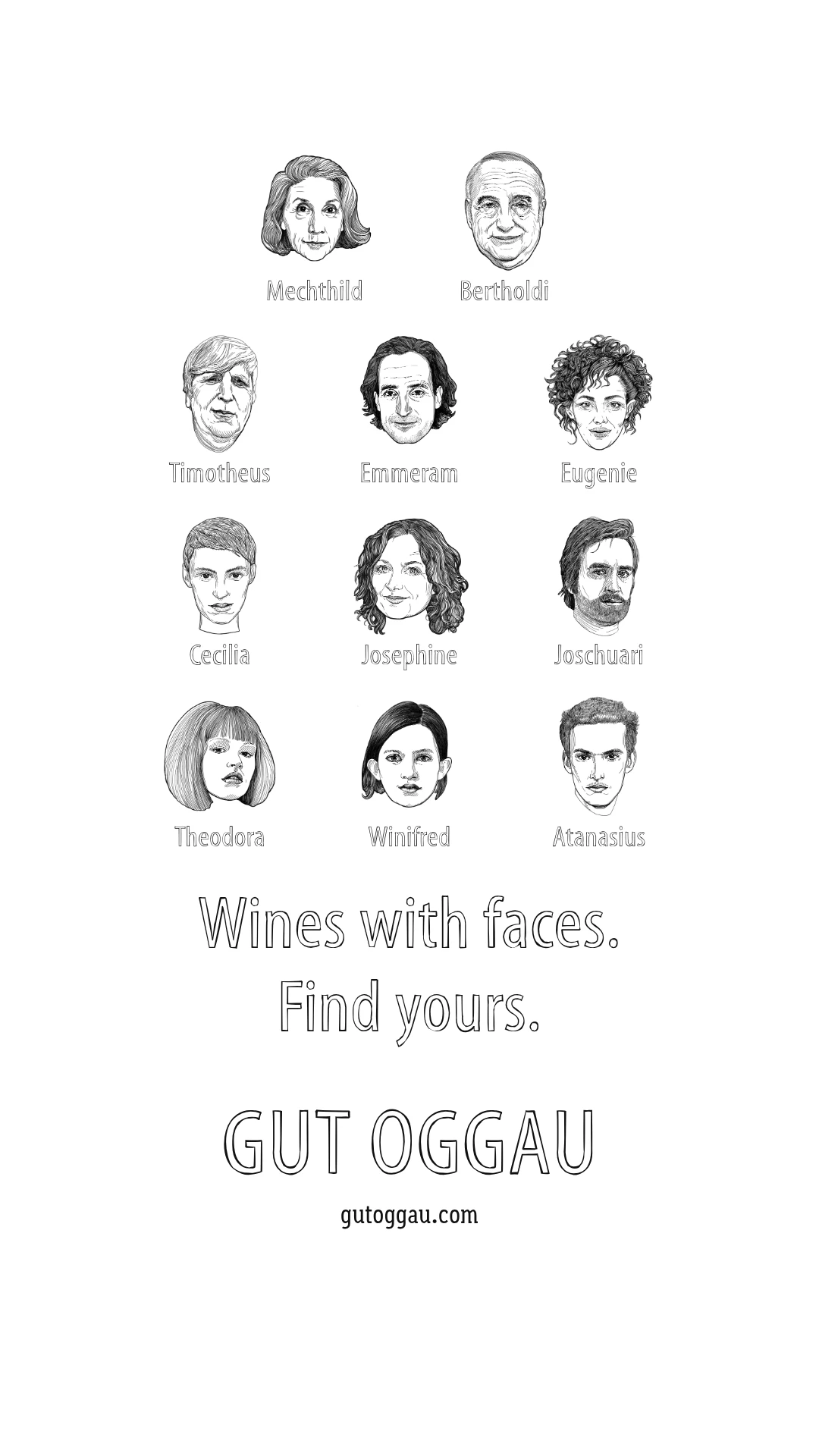
After: names added; the copy check passed.
Periodically have someone re-review passed work. Testing agents covers the method. Fix unclear rules through a reviewed, applied brand edit; fix missing handoffs or production mistakes where they occurred.
Start with one channel and its important rules. Connect Rainbrand, run the checks and use the recurring failures to choose the next fix.
More in Review
All 5 Review articles4 min read
How to make brand governance work for AI agents
Brand governance was built for people who read the guide and ask before they guess. Agents only know what each run gives them. How to turn a governance policy into owners, one approved source, rules, controls and approvals that agents meet while they work.
4 min read
How to check AI images against your brand guidelines
An AI image can look right and still carry a redrawn logo, a near-miss colour or a misspelt headline. What to check, how to turn each guideline into a pass or fail, and where software can do the checking.
4 min read
How to test whether an AI agent follows your brand guidelines
Turn brand rules into a small set of repeatable tasks and checks. Test what the agent retrieves as well as what it makes, then keep the failures that teach you something.