
How to use ChatGPT for marketing and stay on brand
Use ChatGPT to research, draft, analyse and make campaign assets from real sources. Keep projects for campaign work, fetch current brand context through a connection, and check the deliverables before publication.
TL;DR
Give ChatGPT a specific marketing deliverable and the evidence behind it. Keep campaign work in a project, connect the services holding its inputs and retrieve current brand guidance before drafting. Work from evidence to message to assets, then check the final text, images and files before publication.
Start with evidence
Provide the material that changes the answer:
| Task | Useful input | Check the result against |
|---|---|---|
| Audience research | Interview notes | Original quotes and exceptions |
| Launch campaign | Approved product facts | The announcement and source claims |
| Performance report | Actual account export | Totals and metric definitions |
OpenAI recommends a clear goal, context, expected output and boundaries. Ask for supported campaign angles and the evidence behind each; their ranking is a hypothesis to test, not measured demand.
Set up a campaign project
Use a project for the audience, offer, research and drafts. Give each chat a clear outcome.
Keep lasting brand rules separate from temporary campaign facts. Product documentation owns claims; the campaign record owns dates and offers; a maintained brand supplies voice and assets. Tell ChatGPT where each source lives.
Connect tools for the missing inputs
Plugins provide reusable instructions and service connections. Install the relevant one, connect the intended account and start a new chat; available actions depend on the surface and account settings.
- For a document, identify the actual source.
- For data, name the account, period and metrics.
- For public information, search and cite sources, then open the evidence behind each claim.
If your team has an existing custom GPT, follow OpenAI’s plugin migration guidance and test its replacement.
Fetch the current brand
Rainbrand maintains brand guidance and assets across agents and teams. You can sign up and connect it yourself.
- Follow the ChatGPT integration guide to add the Rainbrand plugin.
- Connect your account and ask ChatGPT to confirm which one it uses.
- Select a ready brand, or add one from approved sources and wait until it is ready.
- Request a Brief with the audience, output and constraints. It returns relevant guidance and selected assets.
The saved integration run used task-specific Briefs to make a newsletter and Instagram concept for Teenage Engineering, an electronic music instrument maker.
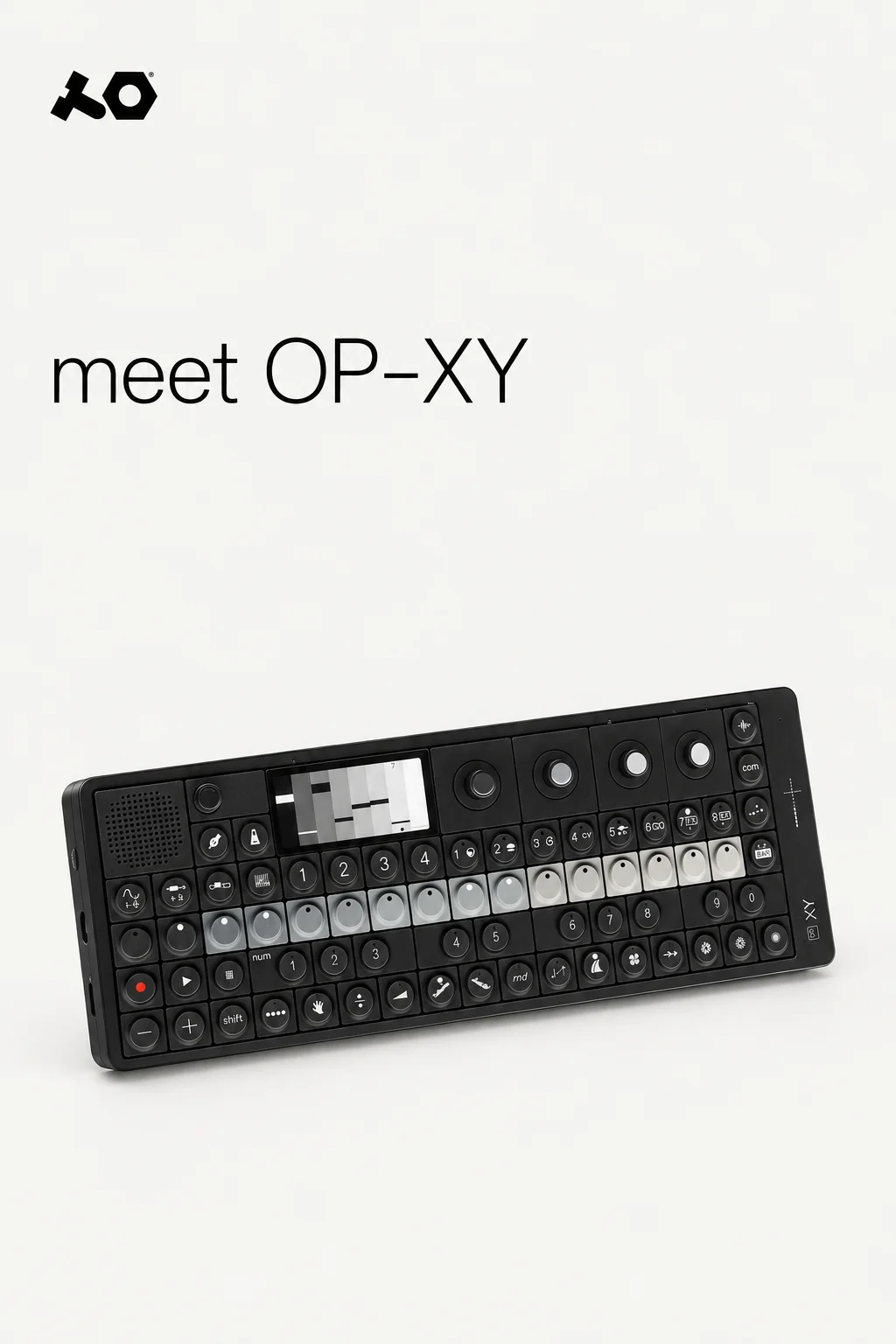
The image passed colour, typography, logo and copy checks, including “meet OP–XY.” It came back at 1024 × 1536, so the requested placement still needed a crop. Brand checks do not establish that the export fits its destination.
The connection does not rewrite custom instructions, project attachments or saved drafts. Replace stale copies when the brand changes.
Turn one launch into useful assets
Start with the announcement and audience evidence:
Use the attached announcement and interview excerpts to propose campaign angles for [your audience]. Retrieve a Rainbrand Brief for [your brand] and the campaign. For each angle, give the customer problem, supported product claim and sample headline using the voice guidance. Cite the supplied evidence and mark assumptions. Recommend a direction before creating assets. Do not publish anything.Choose a direction before requesting an email, landing-page section or image. Specify the message that stays consistent and what changes by format.
Ask for a source beside new product claims. Compare shortened interview quotes with their originals, and remove unshipped features from image concepts before production.
Keep images editable where precision matters
ChatGPT can generate and edit images. Tell it which reference controls the product, style and composition.
- Preserve original product photography or UI when details must match.
- Place the original logo in the final layout.
- Keep headlines as editable text when they will change across formats.
You can also use the Brief with your existing generation tools. Applying brand guidelines to AI images covers those production choices.
Inspect the file and the explanation
ChatGPT can create documents, presentations and spreadsheets, but inspect the actual export:
- Report: reconcile totals and separate observations from proposed causes.
- Deck: read slide text and chart labels.
- Email: check copy, links and layout in the sending workflow.
- Image: request a Rainbrand Review of the finished composition with expected copy, then revise confirmed failures.
Keep unresolved findings, product evidence and publishing approval with the deliverable. Update Rainbrand for lasting brand decisions and request a new Brief for subsequent work. Start with one upcoming campaign deliverable and its real sources.
More in AI tools
All 8 AI tools articles4 min read
How to give Claude Code and Cursor your brand, not just your design system
Coding agents read your design system and instruction files, but a landing page also needs your voice, product claims, imagery and logo rules. Keep code conventions in the repo, fetch the current brand for each task, and check the page before it merges.
3 min read
How to use Claude for marketing without losing your brand
Give Claude a real marketing job, the sources behind it and current brand guidance. Use Projects, skills and connectors for their different jobs, then inspect the finished work before it goes out.
4 min read
How to share approved brand assets across AI agents
Agents redraw logos and pick the wrong product photos when they can’t reach the real files. What to share, the ways to share it, and how to keep one approved set that every agent can call.